
Hydraulic Pump Repair: A Complete Guide to Vane Pump Troubleshooting & Cost-Saving Rebuilds
Hydraulic Pump Repair: Why Vane Pump Maintenance Matters
Hydraulic vane pumps are the "power heart" of injection molding machines, construction equipment, and agricultural tools—relying on precise vane-rotor interaction to convert mechanical energy into fluid pressure. When these pumps fail, downtime can cost manufacturers $1,000+ per hour. Yet 70% of vane pump issues are repairable with targeted troubleshooting, avoiding costly full replacements.
Common Vane Pump Faults & How to Fix Them
Vane pump failures often present clear warning signs—here’s how to diagnose and resolve the most frequent issues:
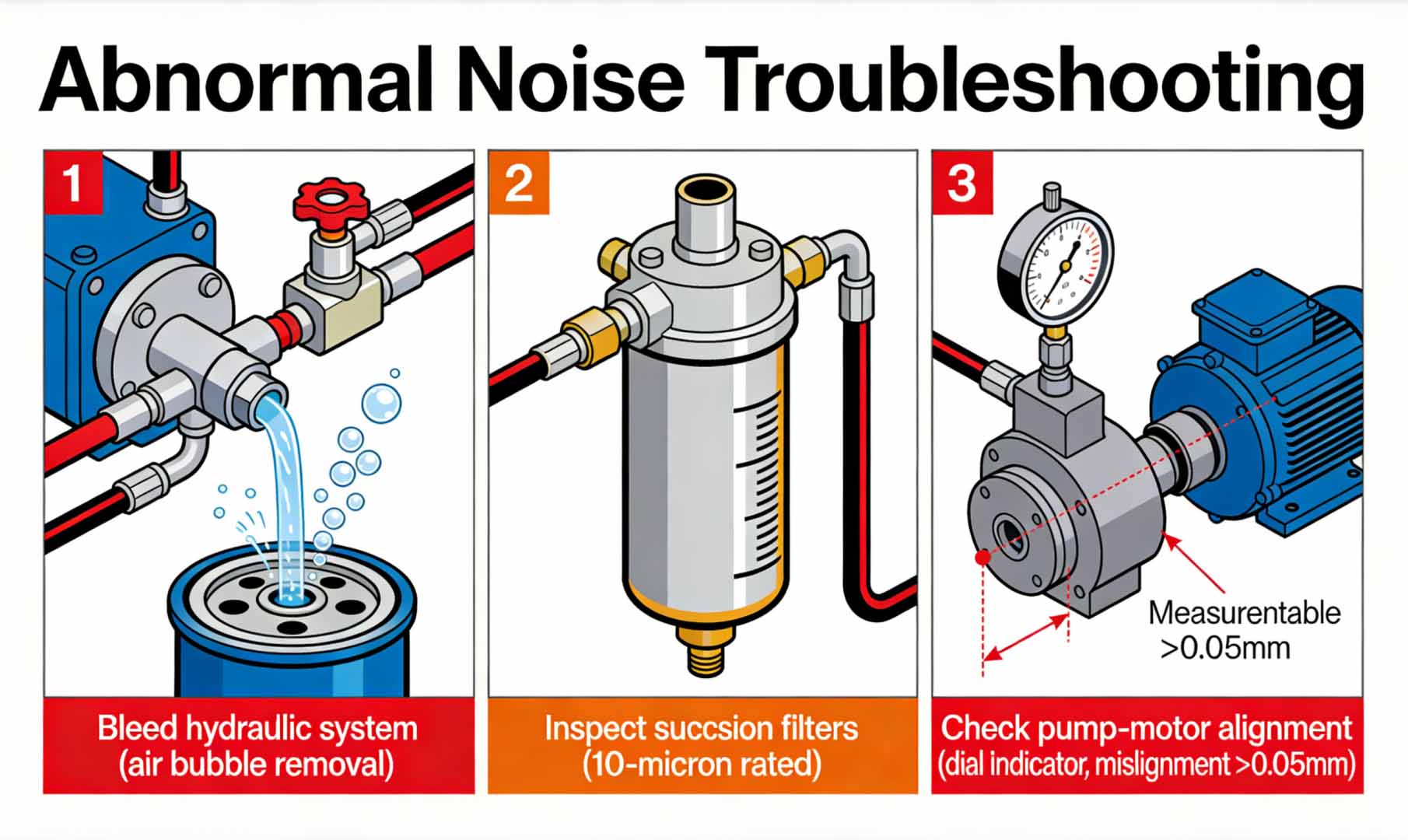
1. Abnormal Noise (Whining/Grinding)
The top cause of noisy operation is air ingress (cavitation) or worn internal components.
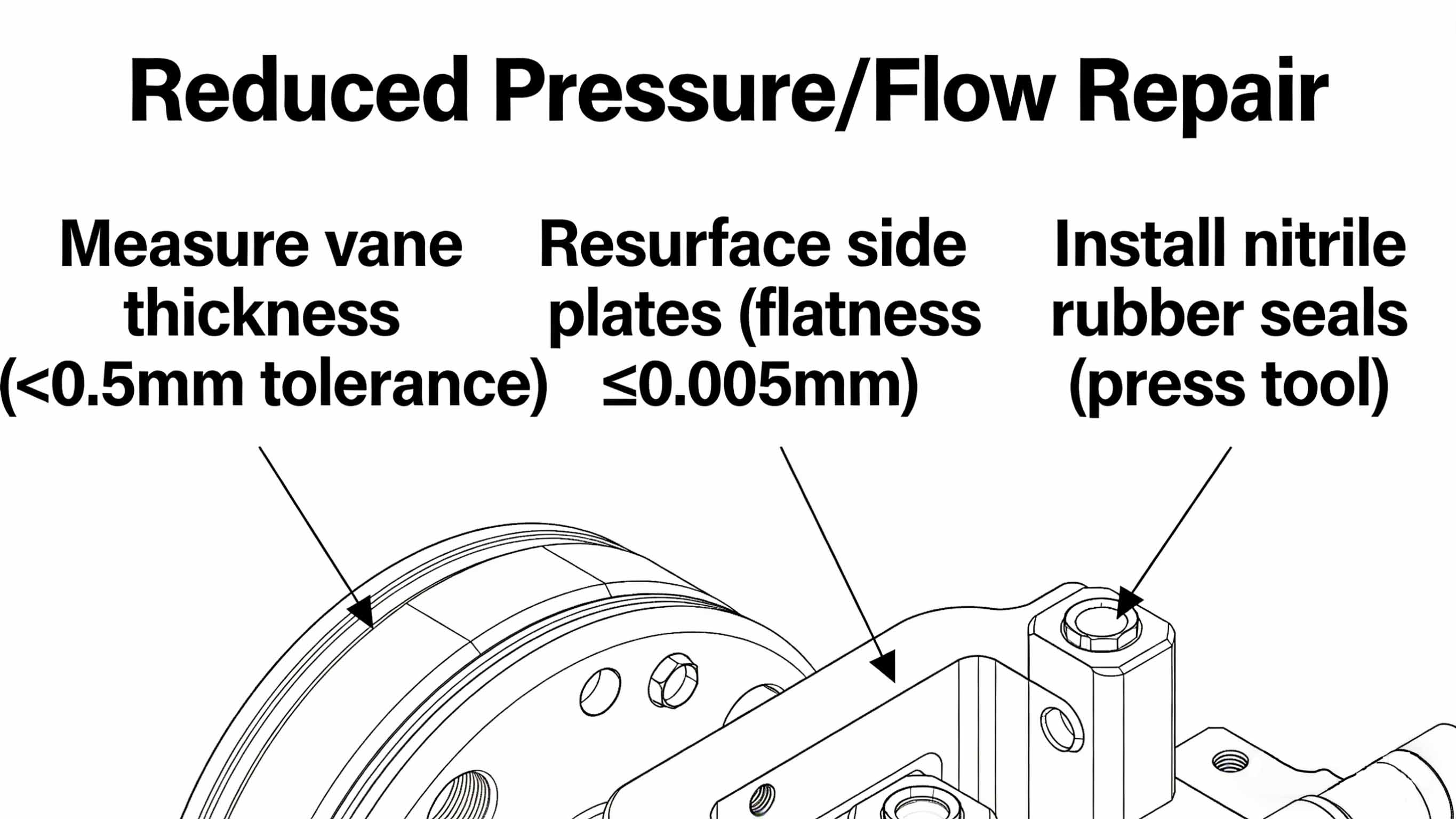
2. Reduced Pressure/Flow
This issue typically stems from internal wear or leakage.
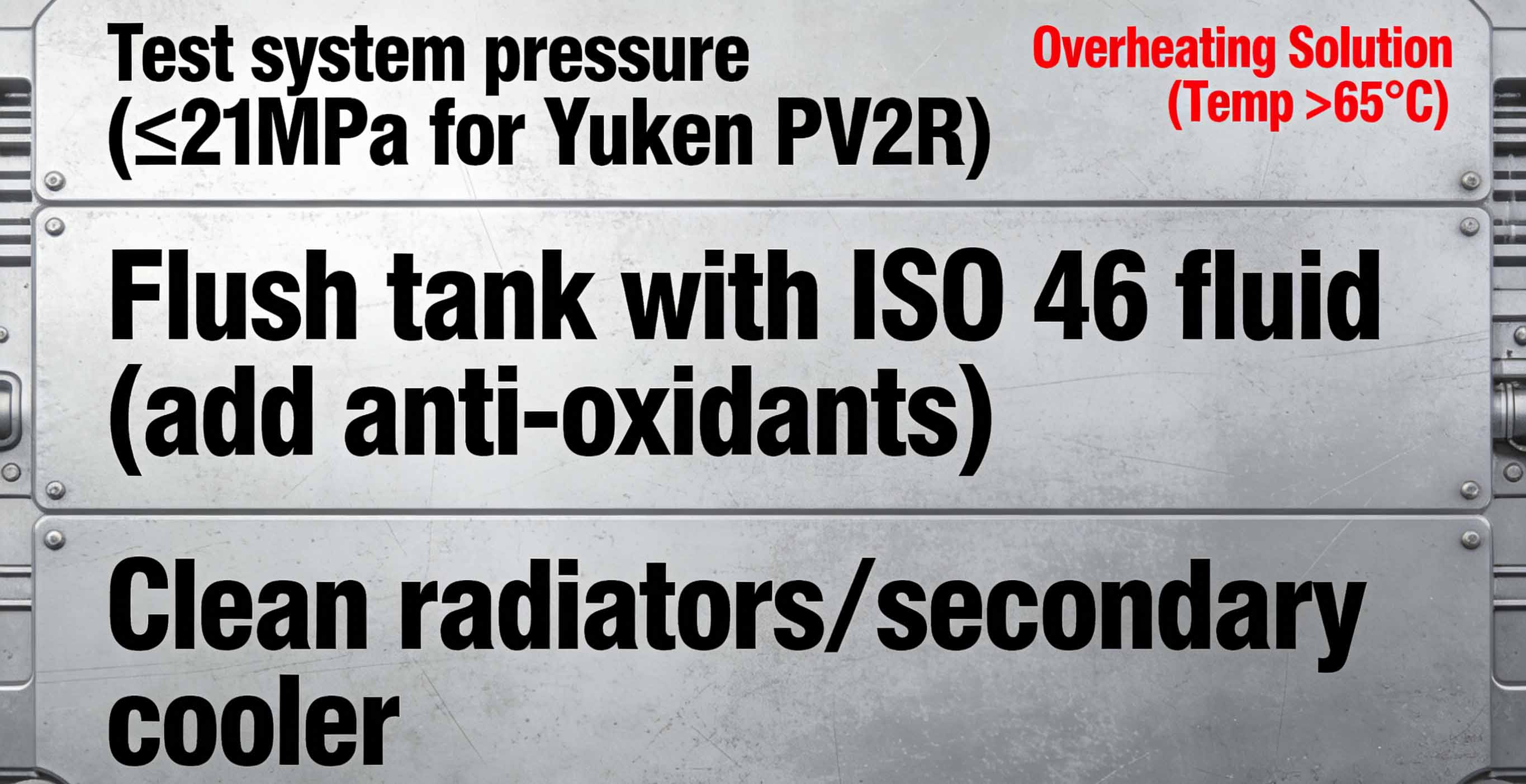
3. Overheating (Temp >65°C)
Excessive heat indicates energy loss from internal leakage or poor cooling.
Repair vs. Replace: Which Saves More?
Repairing a vane pump costs 40–60% less than replacing it, especially for premium brands like Parker Denison or Vickers. Choose replacement only if:

Pro Tips for Extending Vane Pump Life
Preventive maintenance reduces repair frequency by 50% :
Get Expert Support for Hydraulic Pump Repair
Whether you’re fixing a Yuken PV2R or Vickers V20 vane pump, partnering with technicians who offer warranty-backed repairs (12+ months) ensures peace of mind. Contact us today for a free repair quote—most jobs are completed in 1–3 business days to minimize downtime.
Frequently Asked Questions: Vane Pump Repair Guide
The two most reliable technical indicators are abnormal high-pitched aeration noise and a sudden drop in system pressure or cylinder speed. A loud whining or rattling noise usually points to cavitation or air entering the suction line, which causes extreme fluid velocity instability. Meanwhile, a gradual loss of working pressure typically indicates internal leakage (slippage) across the worn surfaces of the rotor and vanes. Ignoring these warning signs will eventually lead to complete pump seizure, severe cylinder damage, and catastrophic factory downtime.
The modular cartridge design (widely used in Vickers V/VQ and Tokimec SQP series) acts as a "plug-and-play" mechanism for fluid power systems. When the pump loses volumetric efficiency due to internal scoring, hydraulic repair technicians do not need to detach the heavy pump body from the oil tank or piping systems. By simply loosening the rear cover bolts, they can slide out the damaged rotor, vanes, and cam ring as a single cartridge block, and slide in a precision CNC-machined replacement cartridge kit within 10 minutes. This prevents the logistical nightmare of rebuilding lines and saves up to 70% of unexpected maintenance downtime.
The most critical mistake factories make is installing a fresh cartridge kit into contaminated oil. Hard microscopic particles from previous pump wear act exactly like liquid sandpaper. If left unfiltered, these particles will immediately wedge into the precision vane slots and score the inner profile of the new cam ring, destroying the new pump within a few hours. To safeguard your investment and restore 90%–95% of original efficiency, technicians must perform a complete hydraulic system flush and install a brand-new 10-micron absolute return line filter during the rebuild process.