Vane vs. Gear vs. Piston: Why Vane Pumps Are the "Efficiency King" of Modern Industrial Circuits
Introduction: No "Perfect" Pump, Only the "Right" Fit
In the hydraulic world, choosing between a gear, vane, or piston pump isn't just about the price tag—it’s about the long-term TCO (Total Cost of Ownership). After 9 years of stress-testing thousands of units in our Foshan facility, we’ve seen that for 80% of industrial applications, the vane pump is the unsung hero that balances performance with quiet operation.
1. The Efficiency Evolution: Self-Compensating Vanes
The biggest technical advantage of a vane pump (like our T6C or SQP series) over a gear pump is volumetric efficiency over time.
Gear Pumps: As they wear, the gap between the gear and the housing increases, leading to internal leakage that you cannot fix.
Vane Pumps: The vanes are pushed out by centrifugal force and oil pressure, meaning they self-compensate for wear. As the vane tip wears down, it simply extends further to maintain a tight seal against the cam ring.
Expert Verdict: A vane pump maintains peak efficiency much longer than a gear pump in high-cycle environments.
2. The Acoustic Advantage: Ultra-Low Noise Levels
In modern factory environments, noise is a "silent killer" of productivity.
Piston Pumps: High pressure, but notorious for "pumping ripple" and loud operation.
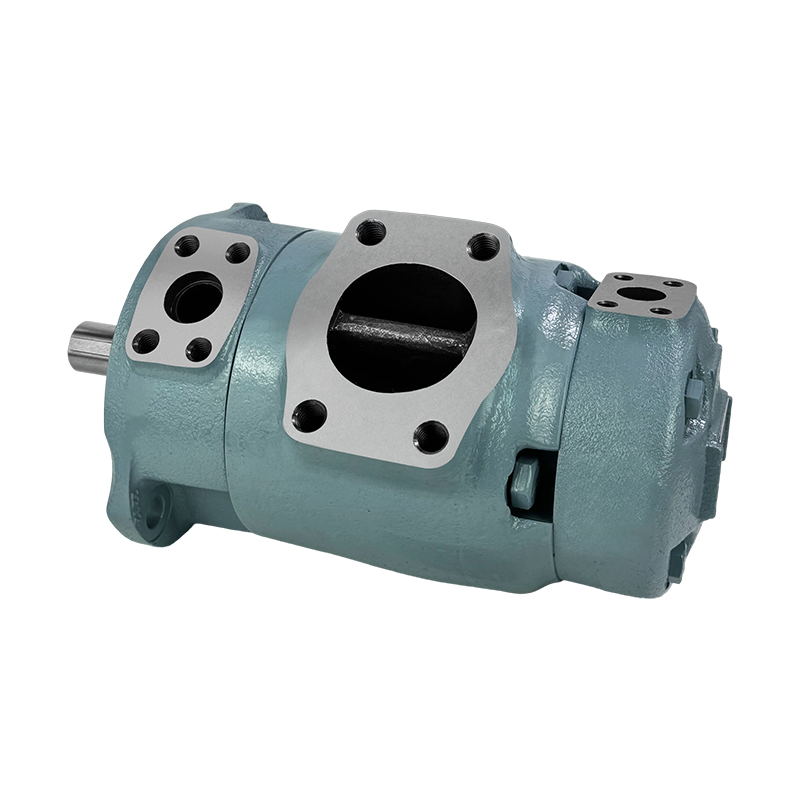
Vane Pumps: Designed with specialized timing grooves, pumps like the Tokimec SQP series offer incredibly low pressure pulsation.
Technical Detail: By distributing the load across multiple vanes, the pressure transition is smoother, resulting in decibel levels often 10-15 dB lower than equivalent gear or piston units.
3. Maintenance: The Cartridge Kit Revolution
When a piston pump fails, you often replace the whole unit or face a complex, expensive rebuild.
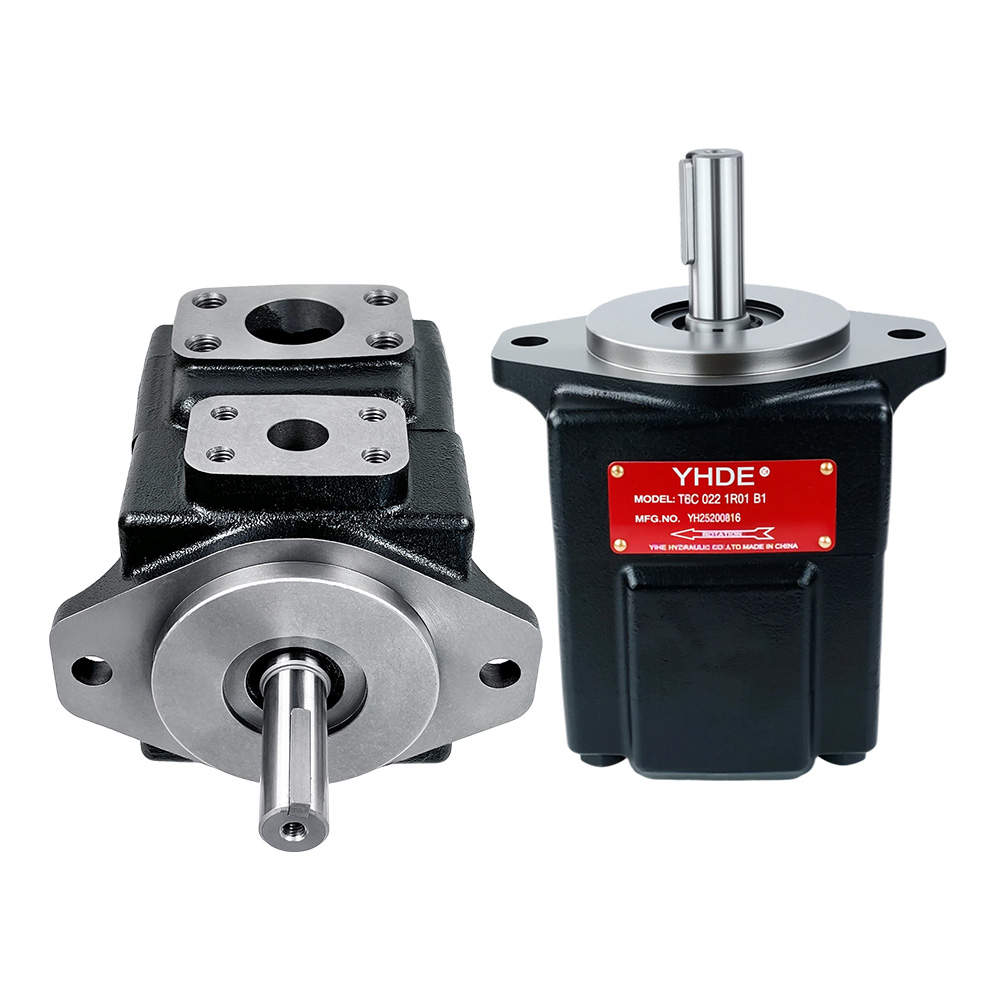
YHDE's Solution: Our SQP431 or T7DS pumps utilize a Cartridge Kit design. If a section wears out, you simply swap the internal "heart" (the cartridge) without removing the pump housing from the machine. This reduces downtime from days to hours.
Technical Comparison Table
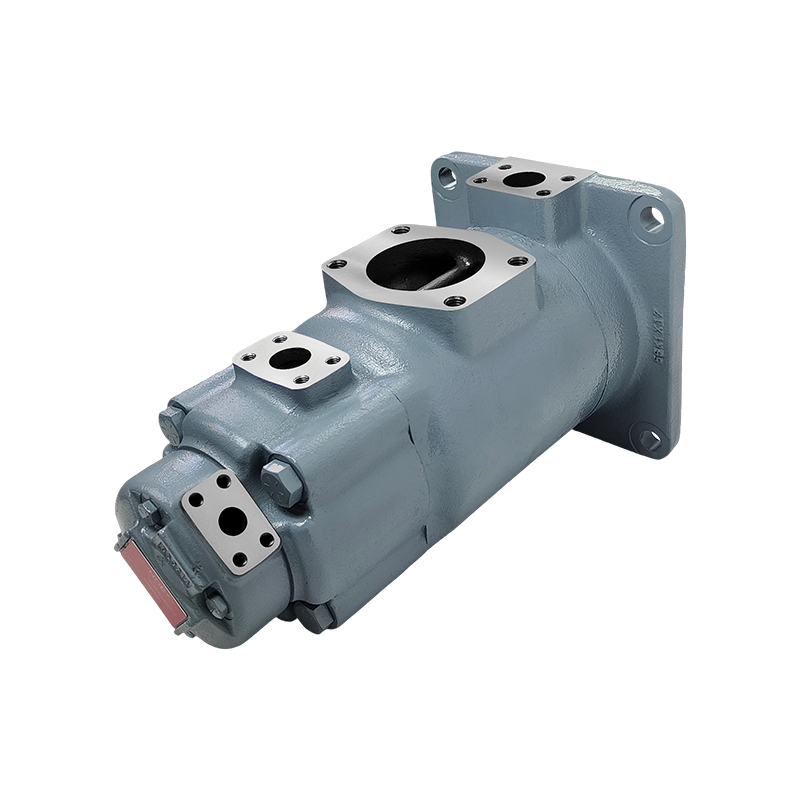
| Feature | External Gear Pump | YHDE Vane Pump (SQP/T6/T7) | Piston Pump |
| Pressure Range | Low to Medium | Medium to High (Up to 300 Bar) | Very High |
| Noise Level | High | Ultra-Low | High/Medium |
| Contamination Tolerance | Good | Moderate (Requires Filtration) | Low (Very Sensitive) |
| Serviceability | Disposable | Excellent (Cartridge Design) | Complex Rebuild |
| Efficiency | 80-85% | 90-95% (Self-Compensating) | 95-98% |
The "Life-Saving" Detail
As a technical manufacturer, we must be candid: Vane pumps are the "Formula 1" of the mid-pressure world. They offer incredible precision, but they demand clean oil.
Expert Reminder: If you are upgrading from a rugged gear pump to a high-efficiency Denison T7DS, you must upgrade your filtration system to at least 10 microns. A single piece of debris can "murder" a precision vane tip, whereas a gear pump might just "bruise" it.
"Don't just take our word for it. Explore our library of [Industrial Hydraulic Solutions], where we break down the real-world performance of our vane pumps across diverse global industries."
Frequently Asked Questions: Vane vs. Gear vs. Piston Pumps
Vane pumps deliver the ideal sweet spot for industrial applications. Gear pumps are the cheapest initially but suffer from lower volumetric efficiency (80%-85%) that drops rapidly with internal wear. Piston pumps offer ultra-high efficiency and pressure limits but carry extremely high price tags and sensitive maintenance requirements. Premium replacement vane pumps balance these trade-offs perfectly, providing 90% to 95% volumetric efficiency and handling mid-to-high pressures up to 210–320 bar at a fraction of a piston pump's cost, making them the most cost-effective choice for injection molding and die-casting machinery.
The primary driver is extreme noise control and smooth fluid flow. Gear pumps generate intense acoustic decibels due to the violent mechanical meshing of teeth, while piston pumps create high structural vibrations through repetitive reciprocating strokes. High-performance balanced vane pumps (such as the Vickers V/VQ or Tokimec SQP series) feature precision CNC-machined timing grooves in their side plates. This specialized design ensures gradual decompression of fluid, smoothing out pressure pulsations and eliminating heavy hydraulic shocks to keep operational noise well under 70 dB—safeguarding workplace compliance.
Gear pumps possess a simple, rugged structure, making them highly tolerant of coarse oil contamination. Vane and piston pumps are high-precision components with micro-clearances that are vulnerable to system debris. Particulate contamination under high pressure creates an aggressive "sandpaper effect" that instantly scores internal rotating elements. To preserve the 90%+ efficiency of a new vane pump or piston pump, maintaining oil cleanliness is mandatory. Technicians must perform a complete hydraulic system fluid flush and integrate a standard 10-micron absolute return line filter during setup.
💡 Pro Hydraulic Tip: Skipping a system flush when replacing a worn pump often compromises the lifespan of the fresh unit. Protect your MRO maintenance budget by forcing a complete filter upgrade simultaneously.